Skip to content
No results
  • Terms of use
Aphasiaathome.site

Home Practice Ideas for Life After Aphasia

Aphasiaathome.site

Home Practice Ideas for Life After Aphasia

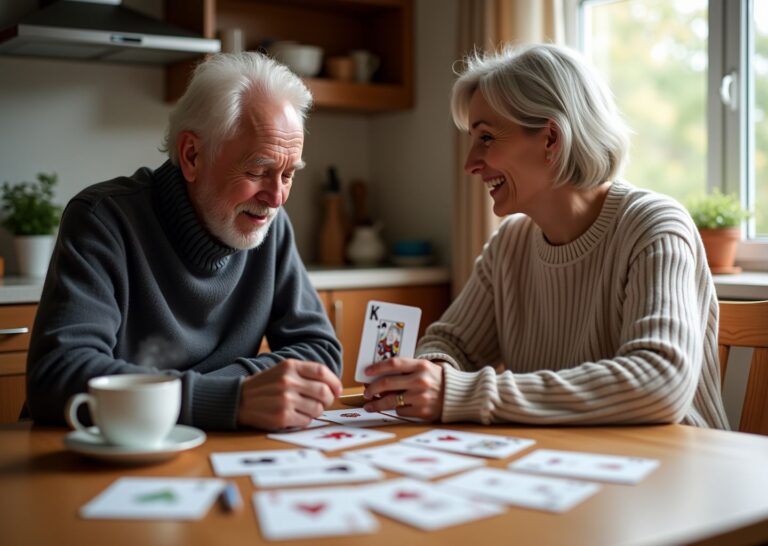
Caregiver and person with aphasia playing card games at a kitchen table with large-print and picture cards, tracking sheet visible, natural warm light

Card Games That Boost Cognitive Function and Memory

  • Memory & Cognitive Games

Card games can be an engaging, low-cost way to support language recovery, memory, attention, and social connection after aphasia. This article explores why card play helps cognitive function, practical adaptive games and step-by-step activity ideas for caregivers and people with…

  • 29.12.2025
Middle-aged person with headphones using a tablet audiobook app with large controls while a caregiver watches supportively in a warm living room setting

Audiobooks for Aphasia: How to Select Accessible Listening Material

  • Listening & Comprehension Activities

Audiobooks offer a practical, low-effort way to support language recovery after stroke or brain injury. This article explores how audiobooks can help people with aphasia, what accessibility features matter, how to choose suitable listening material and apps, and practical home…

  • 29.12.2025
Person practicing word retrieval with caregiver at home using picture cards and a tablet for teletherapy

Anomic Aphasia: Why ‘Tip of the Tongue’ Happens and How to Help

  • Aphasia Basics & Education

Anomic aphasia commonly leaves people frustrated by tip-of-the-tongue moments — the inability to find a familiar word despite knowing its meaning. This article explains the brain mechanisms behind word-finding breakdowns after stroke or injury and offers practical, evidence-based home practice…

  • 26.12.2025
Caregiver and person with aphasia practicing speech and language activities at home using photo album, word cards, and a tablet app in a warm living room

Caregiver Burnout: Signs and Self-Care Strategies

  • Caregiver Support & Strategies

Caregiver burnout is a common, often overlooked risk for family members supporting people with aphasia after stroke or brain injury. This article explores clear signs of burnout, practical self-care strategies, and easy, evidence-informed home speech and language activities that support…

  • 25.12.2025
Caregiver and adult practicing speech at home with a smart speaker and tablet, printed picture cards on a table, warm living room setting

How to Use Smart Speakers (Alexa/Google) for Speech Practice

  • Technology & Apps

Smart speakers like Amazon Alexa and Google Assistant can become consistent, low-cost partners for daily speech and language practice after aphasia. This article explains why they work, how to set them up safely, concrete exercise routines you can run hands-free,…

  • 25.12.2025
Person with aphasia pointing to a picture menu on a tablet while a companion holds a communication card and a server listens attentively at a restaurant table

Ordering at a Restaurant: A Practical Guide for People with Aphasia

  • Daily Living & Functional Communication

Ordering at a restaurant can be stressful after aphasia, but with simple planning and daily practice people can regain confidence and independence. This guide shows practical communication strategies, home practice activities, and community tips to prepare for dining out after…

  • 25.12.2025
Caregiver and a person with aphasia using a homemade laminated communication board and a tablet at a kitchen table, practicing communication together.

DIY Communication Boards: How to Make Your Own for Free

  • Non-Verbal Communication & AAC

Homemade communication boards are simple, free tools that help people living with aphasia express needs, practice speech, and stay connected after a stroke or brain injury. This article explains why these boards work, which materials and core vocabulary to choose,…

  • 25.12.2025
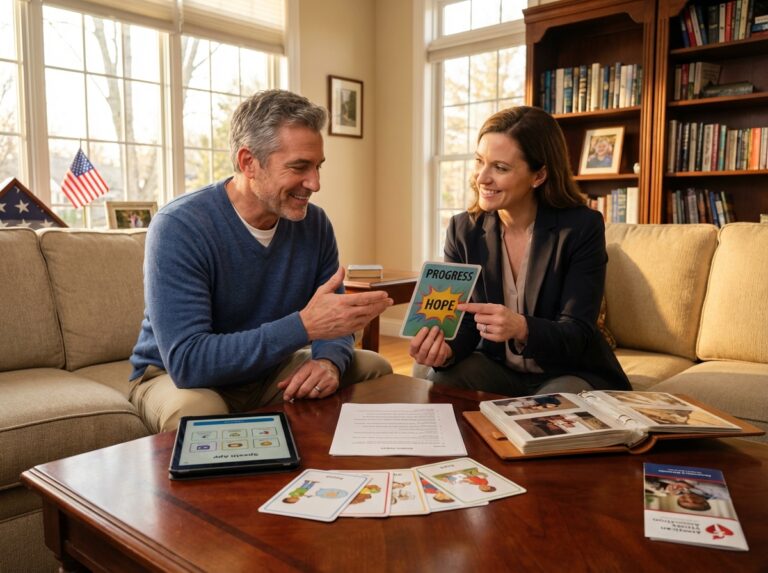
Elderly person and caregiver practicing speech exercises at home with picture cards and tablet showing a speech app

Primary Progressive Aphasia: What to Expect in the Early Stages

  • Aphasia Basics & Education

Primary Progressive Aphasia (PPA) is a neurodegenerative condition that gradually impairs language capabilities while other cognitive functions often remain preserved for some time. The early stages offer a critical window to understand the prognosis and to implement practical home-based strategies.…

  • 25.12.2025
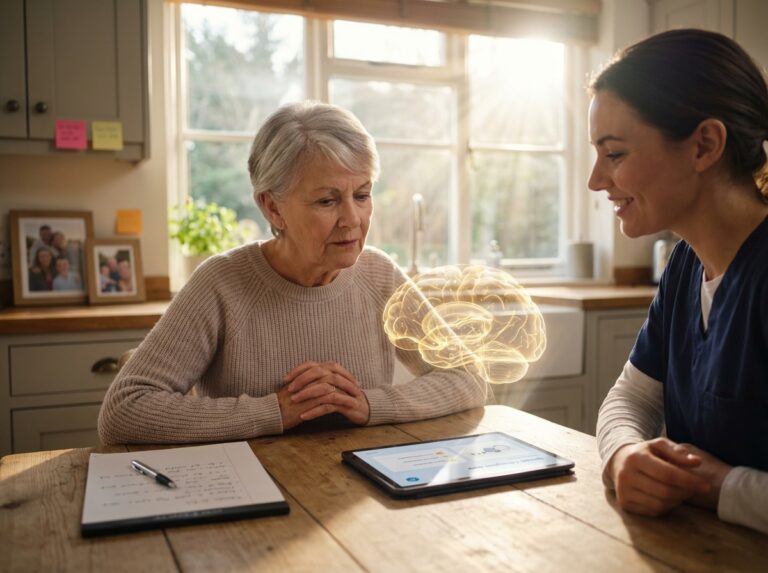
Person practicing speech at home with caregiver and tablet, warm home setting with brain connection overlay representing neuroplasticity

Neuroplasticity Explained: How the Brain Rewires Itself After Stroke

  • Aphasia Basics & Education

After a stroke, the brain retains the capacity to change, recover, and form new connections. This article explains neuroplasticity and provides practical home practice ideas for people living with aphasia and their caregivers. Learn simple, evidence-informed speech, language, memory, and…

  • 24.12.2025
Person practicing speech with a caregiver and SLP in a cozy living room using flashcards, tablet teletherapy, and cue cards

Apraxia vs. Aphasia: Recognizing the Hidden Differences

  • Aphasia Basics & Education

Apraxia and aphasia are different speech and language disorders that often follow stroke or brain injury, yet they are commonly confused. This article explains how to tell them apart, when to seek professional assessment, and practical, evidence-informed home practice ideas…

  • 24.12.2025
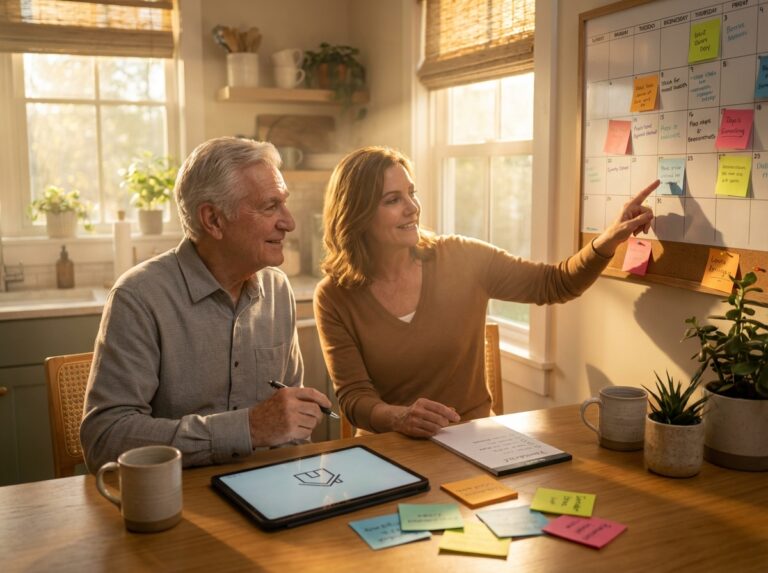
Person with aphasia and family member practicing memory and speech exercises at a sunny kitchen table with calendar, sticky notes, and tablet

Short-Term Memory Strategies for Life After Brain Injury

  • Memory & Cognitive Games

Many people living with aphasia and short-term memory problems after stroke or brain injury can regain practical daily skills with targeted home practice. This article explains how short-term memory and working memory affect communication, and gives easy, evidence-informed activities, routines,…

  • 24.12.2025
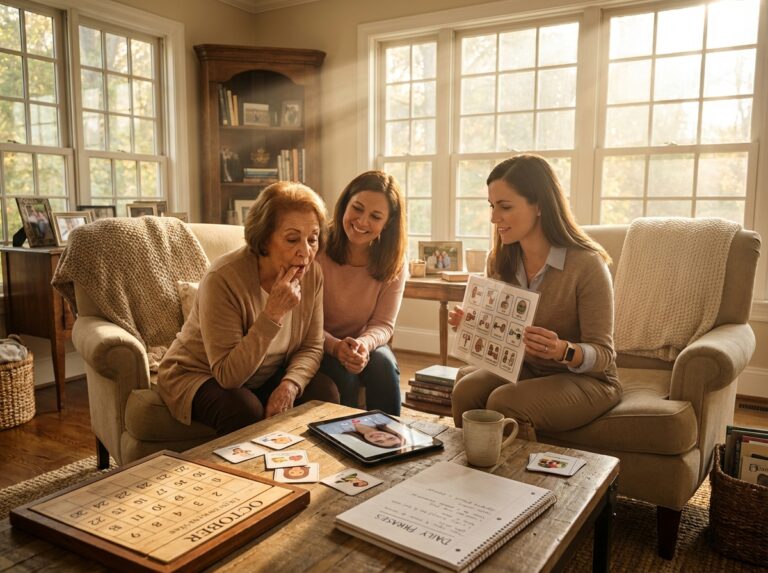
Caregiver and stroke survivor practicing speech tasks at a home table with picture cards, a tablet, and a photo album

Broca’s vs. Wernicke’s Aphasia: Key Differences and Home Strategies

  • Aphasia Basics & Education

After a stroke or brain injury, aphasia changes how a person speaks, understands, reads, and writes. This article explains the key differences between Broca’s and Wernicke’s aphasia and offers practical, easy-to-do home activities caregivers and survivors can use to boost…

  • 24.12.2025
1 2
Next

Explore

  • Aphasia Basics & Education
  • Caregiver Support & Strategies
  • Daily Living & Functional Communication
  • Listening & Comprehension Activities
  • Memory & Cognitive Games
  • Non-Verbal Communication & AAC
  • Technology & Apps

Trending

  • Caregiver and person with aphasia playing card games at a kitchen table with large-print and picture cards, tracking sheet visible, natural warm light
    Card Games That Boost Cognitive Function and Memory
  • Middle-aged person with headphones using a tablet audiobook app with large controls while a caregiver watches supportively in a warm living room setting
    Audiobooks for Aphasia: How to Select Accessible Listening Material
  • Person practicing word retrieval with caregiver at home using picture cards and a tablet for teletherapy
    Anomic Aphasia: Why ‘Tip of the Tongue’ Happens and How to Help
  • Caregiver and person with aphasia practicing speech and language activities at home using photo album, word cards, and a tablet app in a warm living room
    Caregiver Burnout: Signs and Self-Care Strategies
  • Caregiver and adult practicing speech at home with a smart speaker and tablet, printed picture cards on a table, warm living room setting
    How to Use Smart Speakers (Alexa/Google) for Speech Practice
  • Person with aphasia pointing to a picture menu on a tablet while a companion holds a communication card and a server listens attentively at a restaurant table
    Ordering at a Restaurant: A Practical Guide for People with Aphasia
  • Caregiver and a person with aphasia using a homemade laminated communication board and a tablet at a kitchen table, practicing communication together.
    DIY Communication Boards: How to Make Your Own for Free
  • Elderly person and caregiver practicing speech exercises at home with picture cards and tablet showing a speech app
    Primary Progressive Aphasia: What to Expect in the Early Stages
  • Person practicing speech at home with caregiver and tablet, warm home setting with brain connection overlay representing neuroplasticity
    Neuroplasticity Explained: How the Brain Rewires Itself After Stroke
  • Person practicing speech with a caregiver and SLP in a cozy living room using flashcards, tablet teletherapy, and cue cards
    Apraxia vs. Aphasia: Recognizing the Hidden Differences
2026 © Aphasiaathome.site
  • Sitemap
  • Terms of use
  • Privacy policy
  • DISCLAIMER